
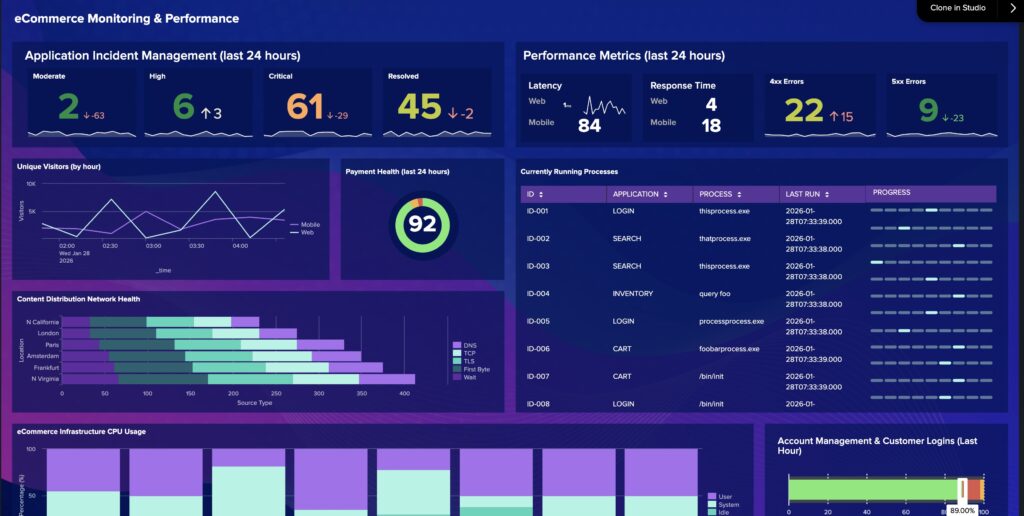
Log sampling reduces data volume by systematically selecting and retaining specific log entries while discarding others. This technique preserves critical information for troubleshooting and analysis while controlling storage costs and processing overhead. Modern applications generate massive amounts of log data, making intelligent sampling essential for maintaining comprehensive observability without overwhelming your infrastructure.
What is log sampling and why is it essential for modern applications?
Log sampling is a data management technique that selectively retains log entries based on predefined criteria while discarding less critical information. This approach maintains system visibility and diagnostic capabilities without storing every single log event generated by your applications.
Modern digital environments generate enormous volumes of log data. A typical web application might produce thousands of log entries per minute during normal operation, with volumes increasing dramatically during peak traffic or system issues. Without proper management, this data quickly becomes unmanageable both in terms of storage costs and processing requirements.
Sampling becomes critical for several reasons. Storage costs scale directly with data volume, particularly in cloud environments where you pay for every gigabyte stored and processed. Processing overhead from ingesting, indexing, and searching massive log volumes can impact system performance. Additionally, excessive data can actually hinder troubleshooting efforts by creating noise that obscures important patterns and events.
In cloud environments, where infrastructure observability spans multiple services and regions, intelligent sampling helps maintain comprehensive monitoring while keeping operational costs sustainable. This approach ensures your observability platform remains responsive and cost-effective as your systems scale.
How do you identify which logs are truly critical to preserve?
Critical logs typically include error messages, security events, business transaction records, and performance anomalies. These events provide essential information for troubleshooting, compliance, and business analysis. The key is establishing clear criteria that distinguish between routine operational data and information crucial for system health and business operations.
Start by categorising logs based on severity levels. Error and warning messages should always be preserved, as they indicate potential issues requiring investigation. Security-related events, including authentication failures, access violations, and suspicious activities, are essential for compliance and threat detection.
Business-critical events deserve special attention. These include transaction completions, payment processing, user registrations, and other activities directly tied to revenue or customer experience. Even during high-volume periods, these logs provide vital business intelligence and audit trails.
Consider the diagnostic value of different log types. Database query logs might be sampled during normal operation but preserved entirely during performance issues. API request logs could be sampled based on response codes, retaining all errors while sampling successful requests.
Establish retention policies based on log importance. Critical business and security logs might be kept for years, while routine operational logs could be sampled heavily after a few days. This tiered approach ensures important information remains accessible while managing storage costs effectively.
What are the most effective log sampling strategies that protect important data?
Structured sampling uses consistent rules to retain specific percentages of logs based on defined criteria. Adaptive sampling adjusts retention rates based on system conditions, while priority-based sampling preserves high-importance events regardless of volume. Each approach offers distinct advantages depending on your operational requirements and data characteristics.
Structured sampling applies fixed rules consistently. You might retain every tenth log entry during normal operation, or sample based on time intervals, keeping logs from every fifth minute. This approach provides predictable data volumes and storage costs while maintaining a statistical representation of system behaviour.
Adaptive sampling responds to changing conditions. During normal operation, you might sample aggressively, retaining only 10% of routine logs. When error rates increase or performance degrades, sampling rates automatically adjust to capture more detailed information. This ensures comprehensive data availability when you need it most.
Priority-based sampling categorises logs by importance and applies different retention rules to each category. Critical errors and security events are always retained. Business transactions might be sampled at 50% during normal periods but 100% during peak shopping seasons. Routine operational logs could be heavily sampled or discarded entirely after basic processing.
Hybrid approaches combine multiple strategies for optimal results. You might use structured sampling for routine logs, adaptive sampling for performance metrics, and priority-based retention for security events. Modern Splunk deployments often implement sophisticated sampling rules that automatically adjust based on data volume, system health, and business priorities.
How do you implement log sampling without breaking monitoring and alerting systems?
Successful sampling implementation requires careful configuration of retention rules, thorough testing of alert accuracy, and verification that monitoring dashboards continue providing reliable insights. The key is implementing sampling gradually while continuously monitoring the impact on your observability capabilities and adjusting rules based on real-world performance.
Begin with conservative sampling rules that preserve more data initially. This allows you to understand your log patterns and identify which data types are truly expendable. Implement sampling in non-critical environments first, testing thoroughly before applying rules to production systems.
Configure sampling rules to never discard data used by active alerts. If an alert depends on specific log patterns or thresholds, ensure those logs are always retained. Consider creating separate data streams for critical alerting data, applying minimal or no sampling to these feeds while sampling other log types more aggressively.
Test your monitoring dashboards extensively after implementing sampling. Verify that key metrics, trends, and visualisations remain accurate and useful. Some dashboards might need adjustment to account for sampled data, particularly those showing volume-based metrics or performing statistical analysis.
Establish monitoring for your sampling system itself. Track sampling rates, storage savings, and any gaps in data coverage. Set up alerts for sampling failures or unexpected changes in data volume that might indicate configuration issues.
Document your sampling strategy clearly, including which data types are sampled, retention periods, and the business logic behind sampling decisions. This documentation helps team members understand what data is available for analysis and troubleshooting, preventing confusion during incident response.
Regular review and adjustment of sampling rules ensure they continue meeting your needs as systems evolve. What seemed routine six months ago might become critical as your business grows or new compliance requirements emerge. Effective log sampling balances cost control with comprehensive observability, ensuring you retain the right data to maintain system reliability while managing operational expenses efficiently.