
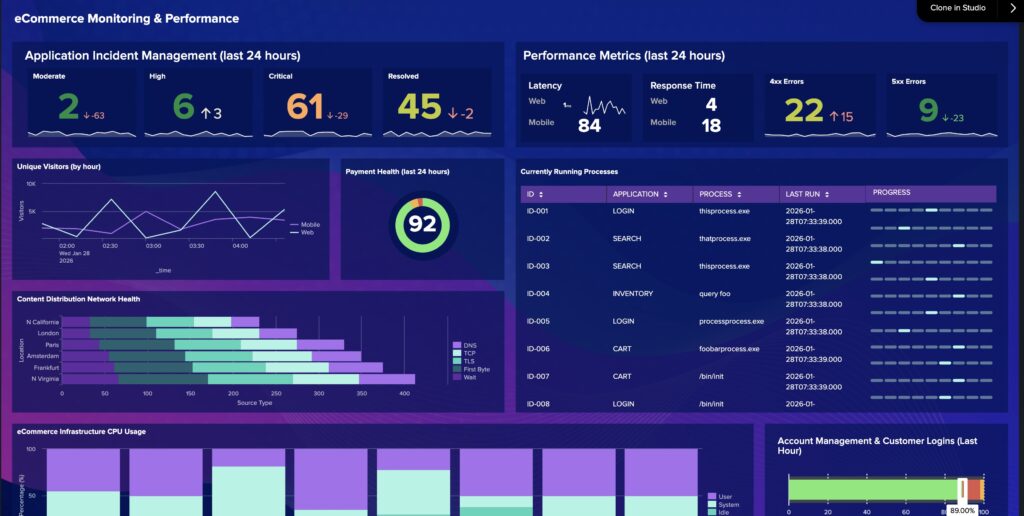
Streaming logs process data immediately as it is generated, providing real-time visibility into system behaviour and enabling instant incident response. Batch processing collects log data over time periods before analysis, offering cost efficiency but delayed insights. The choice between streaming and batch processing depends on your organisation’s monitoring requirements, budget constraints, and tolerance for delayed visibility into system performance.
What’s the difference between streaming logs and batch processing?
Streaming logs process data continuously as events occur, sending information immediately to monitoring systems for real-time analysis. Batch processing collects log data over predetermined intervals (hourly, daily, or weekly) before processing it in bulk operations.
The fundamental difference lies in data flow timing. Streaming logs create a continuous pipeline in which each log entry triggers immediate processing and potential alerting. This approach requires dedicated system resources and network bandwidth but provides instant visibility into system health and user activity.
Batch processing accumulates log data in temporary storage before processing it during scheduled intervals. This method reduces computational overhead during peak hours and allows for more efficient resource utilisation. However, it introduces latency between when events occur and when they become visible in your monitoring dashboards.
System resource utilisation varies significantly between approaches. Streaming requires consistent processing power and memory allocation to handle continuous data flows, whereas batch processing can schedule intensive operations during off-peak hours when system resources are more available.
When should you choose streaming logs over batch processing?
Choose streaming logs when immediate incident detection and response are critical to your business operations. This approach excels in environments requiring real-time monitoring, security threat detection, and applications where system downtime directly impacts revenue or user experience.
Financial services, e-commerce platforms, and healthcare systems typically benefit from streaming logs because of their need for immediate anomaly detection. When system failures or security breaches must be identified within minutes rather than hours, the additional infrastructure costs of streaming become justified.
Real-time monitoring scenarios where streaming logs provide clear advantages include:
- High-traffic web applications requiring immediate error detection
- Security monitoring for unauthorised access attempts
- Payment processing systems needing fraud detection
- IoT devices requiring instant threshold monitoring
- Cloud infrastructure auto-scaling based on performance metrics
Streaming logs also support better operational visibility for DevOps teams who need to correlate deployments with system behaviour changes immediately. Modern observability platforms such as Splunk Observability Cloud integrate streaming capabilities with metrics, events, logs, and traces (MELT) to provide comprehensive real-time insights into system health and user experience.
What are the main benefits of real-time log streaming?
Real-time log streaming provides immediate visibility into system behaviour, enabling faster incident detection and resolution. Teams can identify issues within minutes of occurrence rather than waiting hours for batch processing cycles to complete.
Enhanced system observability represents the primary advantage of streaming logs. Your monitoring dashboards update continuously, showing current system performance, error rates, and user activity patterns. This immediate feedback allows operations teams to correlate system changes with performance impacts instantly.
Improved troubleshooting capabilities emerge from streaming logs’ ability to provide contextual information during active incidents. When problems occur, engineers can examine recent log entries to understand the sequence of events leading to failures, rather than waiting for batch processing to reveal relevant data.
Proactive issue prevention becomes possible through real-time anomaly detection. Modern platforms can identify unusual patterns in log data streams and trigger alerts before minor issues escalate into major outages. This capability helps maintain system reliability even during periods of rapid growth or high traffic.
Business impact visibility improves when streaming logs correlate technical performance with business outcomes. Revenue-generating activities, user engagement metrics, and customer experience indicators become immediately visible, allowing teams to prioritise fixes based on business impact rather than technical severity alone.
Why do some organisations still prefer batch log processing?
Batch processing offers significant cost advantages and simpler infrastructure requirements, making it suitable for organisations with predictable workloads and tolerance for delayed insights. Many businesses find batch processing adequate for their monitoring needs while still providing better resource optimisation.
Cost efficiency is the primary driver for choosing batch processing. Organisations can schedule intensive log analysis during off-peak hours when computational resources cost less, particularly in cloud environments with time-based pricing models. This approach reduces overall infrastructure observability costs while still providing valuable insights.
Simplified architecture requirements make batch processing attractive for smaller teams or organisations with limited technical resources. Batch systems require fewer moving parts, reducing complexity in deployment, maintenance, and troubleshooting compared with streaming infrastructure.
Scenarios where delayed processing remains acceptable include:
- Compliance reporting requiring historical data analysis
- Business intelligence dashboards updated daily or weekly
- Development environments where immediate alerting is not critical
- Archive systems focused on long-term trend analysis
- Cost-sensitive environments prioritising budget over speed
Data quality benefits can emerge from batch processing’s ability to perform comprehensive validation and cleansing operations. With more time available for processing, batch systems can implement thorough data quality checks and correlation analysis that might be challenging in real-time streaming environments.
How do you decide which log processing approach fits your system?
Evaluate your organisation’s tolerance for delayed visibility, incident response requirements, and available budget for monitoring infrastructure. Consider whether your business operations require immediate alerting or can function effectively with periodic updates to monitoring dashboards.
A system requirements assessment should examine your current and projected data volumes, processing complexity, and integration needs with existing tools. High-volume environments generating terabytes of daily log data may benefit from batch processing’s efficiency, whereas smaller systems might handle streaming without significant resource strain.
Performance considerations include network bandwidth availability, storage capacity, and computational resources for continuous processing. Splunk and similar enterprise platforms can handle both approaches, but streaming requires consistent resource allocation, whereas batch processing allows for scheduled resource bursts.
Budget constraints often determine feasibility, as streaming logs typically require higher infrastructure costs for real-time processing capabilities. Consider both immediate implementation costs and ongoing operational expenses, including data storage, network bandwidth, and platform licensing based on data ingestion volumes.
Team capabilities play a crucial role in successful implementation. Streaming logs require expertise in real-time systems management, whereas batch processing may align better with teams experienced in traditional data processing workflows. Assess your team’s ability to maintain and troubleshoot the chosen approach effectively.
A hybrid approach often provides optimal results, using streaming for critical systems requiring immediate visibility while implementing batch processing for less time-sensitive data analysis. This strategy balances cost efficiency with operational requirements, ensuring appropriate monitoring coverage across your entire digital infrastructure.